
Beyond Braces: Common Dental Challenges for Teenagers
June 26, 2026
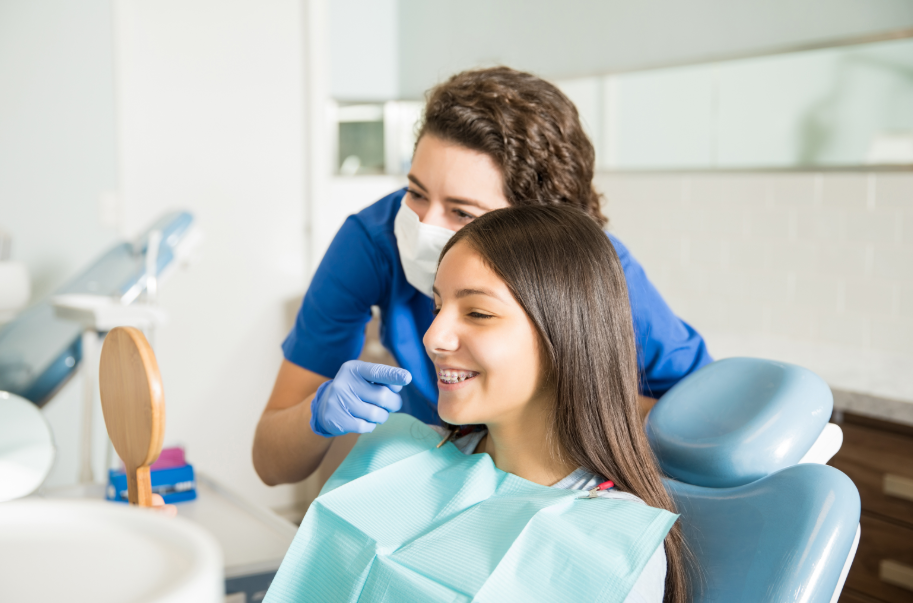
The teenage years bring a lot of changes—and your teen’s smile is no exception. While braces and wisdom teeth often get most of the attention, teens face a variety of dental concerns that can affect their oral health now and well into adulthood.
Between busy schedules, changing habits, sports, and growing independence, it’s easy for dental care to slip down the priority list. Understanding some of the most common dental challenges for teenagers can help families support healthy habits and protect growing smiles.
Cavities and Inconsistent Oral Hygiene
One of the most common dental concerns for teens is still one of the most preventable: cavities.
As children grow into teenagers, they often take more responsibility for brushing and flossing—but that independence doesn’t always mean consistency. Late nights, early mornings, packed schedules, and busy social lives can make oral hygiene feel less important.
Sugary drinks, sports beverages, energy drinks, and frequent snacking can also increase the risk of tooth decay. Encouraging teens to brush twice a day with fluoride toothpaste, floss daily, and limit sugary snacks can go a long way toward keeping cavities away.
Sports Injuries and Dental Emergencies
For active teens, sports-related dental injuries are another common concern.
Contact sports and recreational activities can increase the risk of chipped, cracked, or knocked-out teeth. Even activities that don’t seem high-risk can lead to accidental impacts.
A properly fitted mouthguard offers an important layer of protection during sports and physical activities. Custom or dentist-recommended mouthguards may provide a more secure fit than over-the-counter options and help reduce the chance of injury.
Orthodontic Challenges Beyond Straight Teeth
Many people associate teen dental care with braces, but orthodontic concerns go beyond appearance.
Misaligned teeth can sometimes make brushing and flossing more difficult, creating areas where plaque builds up more easily. Bite issues may also contribute to uneven tooth wear, jaw discomfort, or difficulty chewing.
Teens with braces or clear aligners may need extra attention to cleaning routines and regular dental visits to maintain healthy teeth throughout treatment.
Teeth Grinding and Stress-Related Habits
Teenagers experience stress, too—and sometimes it shows up in unexpected ways.
Teeth grinding, also called bruxism, may happen during sleep or periods of concentration and stress. Some teens may also develop habits like nail biting, chewing on pens, or using teeth to open packaging.
Over time, these behaviors can contribute to worn enamel, tooth sensitivity, jaw discomfort, and small chips or fractures. If your teen complains of headaches, sore jaws, or sensitive teeth, it may be worth discussing with a dental professional.
Diet Choices and Enamel Wear
Teen eating habits can also impact dental health.
Frequent consumption of acidic beverages such as soda, energy drinks, and sports drinks may gradually weaken enamel. Combined with inconsistent brushing habits, this can increase the risk of decay and sensitivity.
Encouraging water as a primary drink and maintaining regular meals instead of constant snacking can support healthier teeth and gums.
Helping teens build strong dental habits today can make a meaningful difference in their long-term oral health.
About the Practice
At Stroud Pediatric Dentistry, the team provides compassionate dental care designed to support children and teens through every stage of development. Dr. Stroud and Dr. Ball take a preventive approach focused on helping young patients maintain healthy smiles through routine care, education, and personalized treatment plans.
Call us at (817) 441-2425 or schedule your appointment online.
No Comments
No comments yet.
RSS feed for comments on this post.
Sorry, the comment form is closed at this time.